Construction Safety Management: Systems, Benefits, and Best Practices
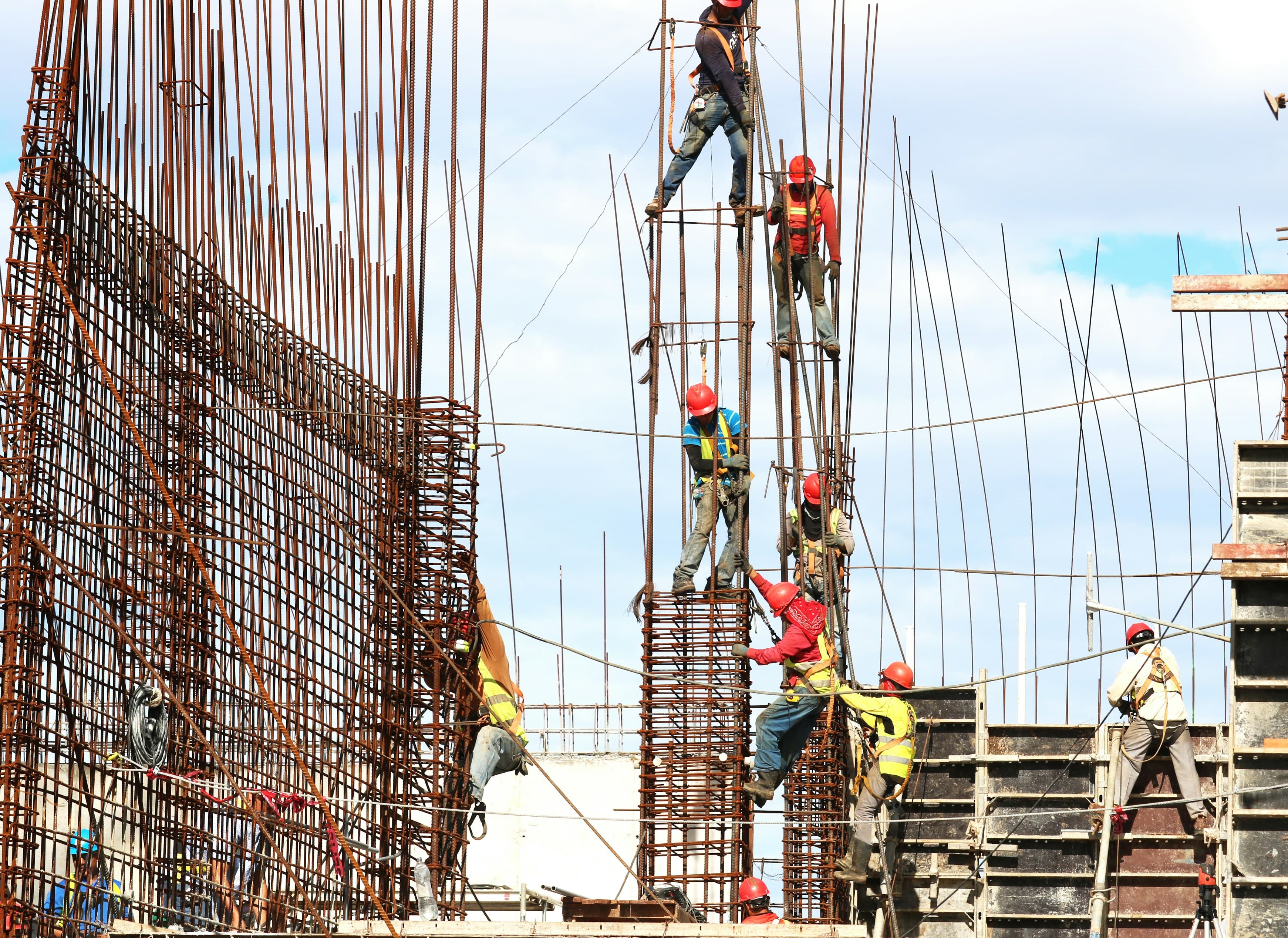
Safety is the backbone of every construction project. It protects the three things you can't afford to lose: your crew, your budget, and your schedule. One serious incident can put all three at risk in a single afternoon. Heavy equipment, work at height, and crowded sites make construction one of the most dangerous industries.
That's why construction safety management needs to go beyond routine inspections and paperwork. A structured approach helps teams recognize hazards early, establish safe work practices, and respond when conditions change. This guide covers the goals, benefits, and essential components of safety management, along with practical steps for implementing a system on construction sites.
What is Construction Safety Management?
Construction safety management is the ongoing process of identifying workplace hazards, controlling risks, training workers, and maintaining safe working conditions throughout a construction project. It also involves meeting regulatory requirements and monitoring safety performance.
A construction safety management system brings these activities together through clear procedures, assigned responsibilities, and regular reviews. Unlike a standalone safety policy, which sets expectations, a safety management system for construction helps teams put those expectations into practice.
It's also part of broader environmental, health, and safety (EHS) management, helping contractors make safety a consistent part of daily operations.
Benefits of Construction Safety Management
The main goal of construction safety management is to prevent workplace injuries and illnesses. But achieving that requires several connected efforts. OSHA's recommended safety practices emphasize hazard prevention, worker participation, management leadership, and continuous improvement.
Effective construction site safety management protects workers, reduces project disruptions, and improves day-to-day operations. Results improve when safety leadership gets involved early. In the 2026 SmartMarket Report, 95% of contractors create a health and safety plan before construction begins. Among those that involve a health and safety director in that planning, 80% report reduced recordable injury rates, compared with 63% of those that don't.
The numbers are self-reported, but the lesson is simple: bring safety leadership in before work starts. Beyond lower injury rates, strong construction site safety pays off in other ways:
Identify and Control Hazards
Recognize unsafe conditions before they lead to incidents. Regular inspections, risk assessments, and corrective actions help teams address hazards as construction progresses.
Stronger Worker Participation
When workers understand the risks and see their reports lead to action, they're more likely to speak up about hazards and near misses.
Consistent Regulatory Compliance
Clear procedures and assigned responsibilities keep inspections, training, and documentation on track, so compliance gaps surface early.
Clear Visibility Across Projects
Tracking safety data across sites shows managers where hazards keep recurring, so they can fix root causes and improve procedures from one project to the next.
5 Core Components of a Construction Safety Management System
A safety management system for construction needs practical procedures that teams can follow as work progresses. These five components cover essential site safety activities and complement the seven core elements in OSHA's recommended construction safety program framework. Each one feeds the following:
1. Safety Planning and Risk Assessment
The first component of a safety management system is planning and risk assessment. At this stage, you identify every hazard your crews could face in each phase of construction, rate each one by likelihood and severity, and choose controls before work begins. For example, before crews work at height, assess the fall hazards and confirm that guardrails, safety nets, or personal fall arrest systems are in place.
Update the assessment whenever new equipment, subcontractors, or tasks bring new hazards. Record each project's hazards and controls in a site-specific construction safety plan, and connect it to your wider risk management in construction process. The hazards you find here set the agenda for training and emergency planning.
What good looks like: Crews report hazards from their phones, and each one lands in a shared risk register that supervisors can review anytime, instead of a binder in the site trailer.
2. Training and Education
Next, train your workers on the hazards you identified. Give them specific instructions for the tasks they perform, such as fall protection, electrical safety, equipment operation, emergency procedures, and the correct use of personal protective equipment (PPE). Use toolbox talks, refresher sessions, and task-specific instruction to keep that knowledge current as work changes. Consistent training also lays the groundwork for a construction safety culture that works.
Many contractors now deliver part of this training online. In the 2026 SmartMarket Report, 75% of contractors said they use online safety training, up from 64% in 2023.
What good looks like: Digital training records show who is qualified for each task and flag expiring certifications before a supervisor assigns the work.
3. Emergency Response Procedures
Then, build procedures for the emergencies your risk assessment flagged, such as fires, serious injuries, severe weather, and equipment incidents. For each one, list the evacuation routes, emergency contacts, first-aid arrangements, and person responsible for each action. Run drills so crews know what to do, and update the plan whenever site layouts or working conditions change.
What good looks like: Every worker can pull up the current emergency plan on a phone, and drill results feed straight into plan updates.
4. Regulatory Compliance
Check every component against the rules that apply to your work. Start with OSHA's construction standards in 29 CFR 1926, then add any state and local requirements.
Within the system, compliance works as a check. Regular reviews of procedures, inspections, training, and required records show whether the other components meet those rules, and each gap gets an owner and a deadline.
What good looks like: A compliance calendar sends automatic reminders for inspections, permits, and certification renewals, so deadlines don't depend on memory.
5. Documentation and Recordkeeping
Finally, records tie the system together. Inspections, incident investigations, training, and corrective actions all produce information, and documentation keeps it accessible. Each reported hazard should include its location, required action, responsible person, and status. Serious hazards should be controlled right away, before the paperwork is finished.
Over time, these records show you recurring problems and whether your changes are working. A running record of reported hazards and near misses also gives you data to train crews and reduce risk, and that insight feeds back into the next risk assessment.
What good looks like: With construction safety software, field reports flow into one central database, and dashboards show open corrective actions and trends across every site.
How to Implement a Construction Safety Management System
After you know what the system looks like, you need to build that process across your active sites. The components above describe what the system contains. These steps cover how to get it running company wide.
Step 1: Audit Your Current Safety Program
Before you build anything new, find out what you already have. A risk assessment looks at the hazards on a jobsite, but this audit looks at your safety program itself.
Compare your current inspection procedures, incident reports, training records, and emergency plans against the five components, and note where information is missing, hard to find, or inconsistent. Ask supervisors and workers where the process breaks down because they often see gaps that office reports miss.
Step 2: Set Safety Goals and Responsibilities
Define measurable objectives, such as completing scheduled inspections, closing corrective actions on time, or improving hazard reporting.
Assign responsibility for inspections, training, incident investigations, and follow-up activities. Every unresolved issue should have a named owner.
Step 3: Develop Standard Safety Procedures
Create consistent processes for hazard identification, risk assessment, emergency response, incident reporting, and corrective action tracking.
Procedures should be practical enough for crews to follow during daily operations, not just detailed enough to satisfy documentation requirements.
Step 4: Train Workers and Put the System into Practice
Explain the new procedures to employees, supervisors, and subcontractors. Make sure they know how to report hazards, access safety information, and escalate urgent concerns. If you run several projects, start with one and expand once teams are comfortable, so you catch practical problems before they spread.
For larger organizations, introducing the system on one project before expanding it can help identify practical issues and improve adoption.
Step 5: Monitor Results and Improve
Review safety performance regularly using inspection findings, reported hazards, incident trends, and outstanding corrective actions.
Daily toolbox talks can help address immediate concerns, while scheduled reviews provide an opportunity to identify recurring problems.
Update procedures as project phases, working conditions, and regulatory requirements change.
How Quickbase Protects Your Crew, Budget, and Timeline
Managing safety across multiple projects gets difficult when inspection reports, incident records, and corrective actions sit in disconnected systems.
As a construction safety software, Quickbase brings that information into one place. Field teams can report incidents, run audits, and manage corrective actions from the mobile app. Pre-built apps for OSHA Recordkeeping & Incident Reporting, Hazard Identification, Risk Assessment & Control, and Site Safety Audits support key parts of the system, and Quickbase's AI data analyzer helps teams spot patterns and forecast risk.
Building products manufacturer Harvey Building Products moved its safety tracking from paper forms and spreadsheets to Quickbase. Injuries fell from 50 a year to four in 2023, and the company finished that year with a total recordable incident rate of 1.4, compared with an industry average of 3.3.
Ready to see it in action? Get a demo for free!
Make Construction Safety Management Part of Every Workday
Construction safety management works best when it's part of everyday site operations. Clear procedures, regular training, and timely corrective actions help teams address hazards before they lead to serious incidents.
A consistent approach helps protect workers, maintain safe working conditions, and improve safety performance as projects evolve.
Frequently Asked Questions
What is safety management in construction?
Safety management in construction involves identifying hazards, assessing risks, training workers, and establishing procedures to prevent workplace injuries. It also includes monitoring safety performance and meeting applicable regulatory requirements throughout a project.
What are the key components of a construction safety management system?
The five practical components covered in this guide are safety planning and risk assessment, training and education, emergency response, regulatory compliance, and documentation. Together, they help teams manage daily safety activities. OSHA's broader recommended safety program framework includes seven core elements.
How do you improve construction site safety?
Start with regular hazard assessments, appropriate protective measures, and task-specific worker training. Encourage workers to report unsafe conditions, assign responsibility for corrective actions, and review safety procedures whenever site conditions change.
What is the difference between a construction safety plan and a safety management system?
A construction safety plan documents the hazards, procedures, and responsibilities associated with a project. A safety management system is the ongoing process used to implement, monitor, and improve those safety practices. The plan is one part of the broader system.
Who is responsible for safety management on a construction site?
Employers are responsible for meeting applicable workplace safety requirements. Site supervisors, safety managers, and workers also have defined responsibilities, depending on their roles. Clear accountability helps ensure hazards are reported, and corrective actions are completed.
How can construction safety software help manage workplace risks?
Construction safety software can help teams record inspections, report incidents, track corrective actions, and maintain safety documentation. Centralized information makes it easier to monitor unresolved hazards and share updates between field crews and project managers.
How often should construction safety management systems be reviewed?
Safety management systems should be reviewed regularly and whenever significant changes occur, such as new work activities, equipment, or site conditions. Daily safety checks and periodic formal reviews can help identify gaps, but the appropriate frequency depends on project risks and applicable requirements.
Are you ready for the state of construction in 2025?


